As someone passionate about self-awareness, I’ve always believed that an honest look at ourselves is one of the greatest gifts we can offer to our future. The Wheel of Life, whether you use it in a coaching session or on your own, can bring a sense of clarity that few other self-assessment tools offer. But here’s a truth I must admit from my own experience: most people make mistakes when they first approach their wheel, and even repeat them later. So today, I’ll share the most common Wheel of Life pitfalls that I’ve seen (and sometimes experienced), along with practical ways to keep your assessment honest and helpful.
Misunderstanding what each category means
It’s easy to rush through filling out your wheel, especially if you’re new to the process. In my experience, the most frequent mistake is not taking the time to understand each area. For example, “career” might immediately bring up thoughts of promotion or salary, while “personal growth” may seem vague or overlap with “purpose.”
Take a moment to define what each segment means for your life right now. Your “health” might focus on rest and nutrition, or maybe it’s mostly about mental wellness at this point. Using the Wheel of Life platform, I’ve seen that you can fully customize categories, so don’t feel forced into generic definitions. Adjust the titles or even split a category if your life calls for it.
Names matter less than how you connect with the meaning behind them.
Reading more about the significance of each area can help, and you can discover self-knowledge insights that clarify which areas feel relevant for you today.
Scoring with the wrong expectations
Another pattern I’ve noticed is how people grade themselves on their wheel. Many rate too harshly, thinking every area should be at a 10, or they avoid a 10 completely because it feels “impossible.” Some might inflate numbers out of habit, trying to see things better than they are. This is human, but it makes your results far less helpful.
The goal of the Wheel of Life is not perfection or judgment—it’s to get an honest sense of where you are. For me, an “8” in family might mean strong connections with room for growth, while a “4” in leisure might simply reflect a busy month, not a failing grade.
- Focus on the present moment, not what you wish you were scoring.
- If unsure, use specific examples from recent weeks to ground your answer.
- Don’t compare your wheel to someone else’s—your satisfaction is yours alone.
The Wheel of Life app helps here, with space for reflection by text or voice, making it simpler to add context to your scores and avoid knee-jerk ratings.
Forgetting about balance
When I started using this method regularly, I found myself zeroing in on the lowest scores. It’s tempting, but it paints an incomplete picture. Focusing all your attention (and action) on one slice, like “career,” without checking what’s happening in “relationships” or “emotional well-being,” can lead to new imbalances in your life.
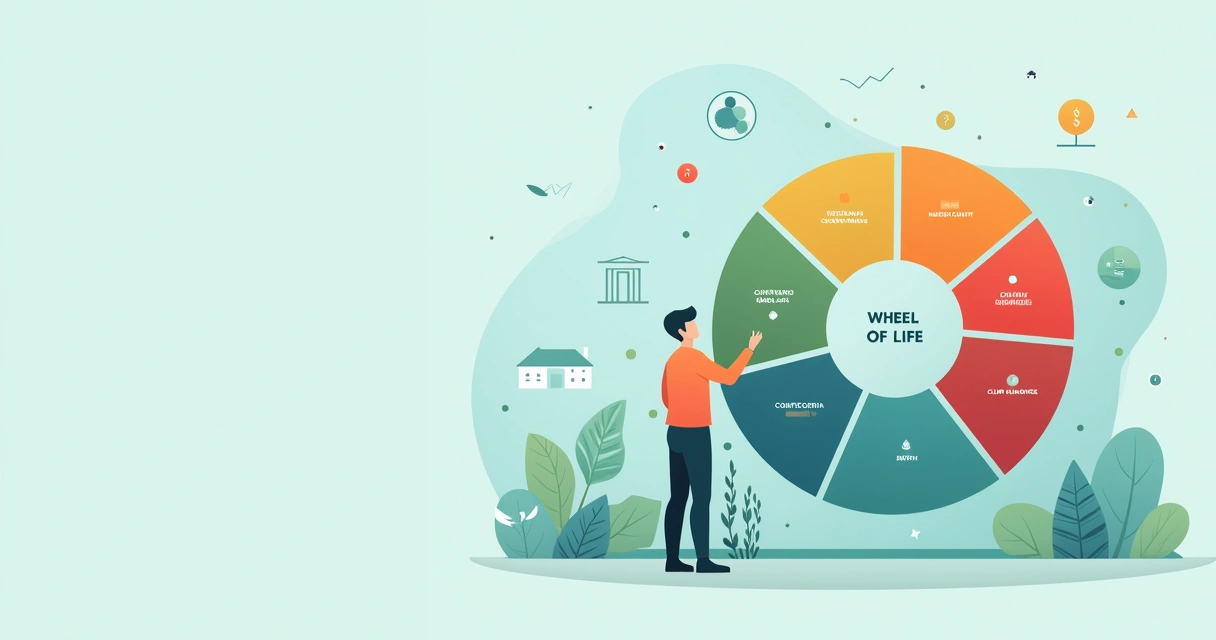
The real insight of the Wheel of Life comes from the pattern, not the numbers alone. Look for flat sections or sharp dips, and reflect on how they might influence one another.
Sometimes, an area with a high score is growing while others are stalled. Periodically revisiting your wheel helps you notice and address this. On the Wheel of Life platform, I find the ability to compare historical results helpful for this exact reason. It makes you see what true balance looks like in your context.
If you want tips on better balancing these areas, I’ve found guides in the well-being resources helpful.
Using someone else’s categories or goals
A subtle trap is copying values and categories from those around you—a friend, coach, or public personality—without checking if they fit your life. I’ve fallen for this myself, thinking I should set goals similar to others I admired.
Your Wheel of Life should fit your reality, not anyone else’s.
The Wheel of Life project encourages everyone to customize their wheel to reflect their current phase, not someone else’s. Reflect on what’s truly a priority for you at this moment, even if it looks different from standard templates. For instance, maybe “creativity” deserves a spot, or “spirituality” isn’t relevant for you right now.
Before you begin, ask yourself: which areas reflect my unique hopes and struggles? This will make your reflection far more honest and motivating.
Not connecting reflection to action
Assessing your satisfaction feels enlightening, but that’s where many people stop—I’ve found myself filling out the wheel, feeling empowered, only to move on without change.
Insight is only the start; real progress comes from action.
The Wheel of Life app bridges this gap nicely. It lets you transform those insights into weekly goals and tasks. I recommend:
- Setting one small, specific action in an area you’d like to lift by even one point.
- Tracking that action in your next reflection—this makes your progress visible and real.
- Celebrating growth, no matter how small. It strengthens the habit of action-taking.
If you want inspiration for creating practical plans, you might enjoy this example: how I turned my self-knowledge into goals.
Being inconsistent with updates
I’ve learned that single assessments, even thorough ones, are easy to forget. True growth comes from regular updates, so you can spot patterns and shifts. Many users ignore this, only checking their wheel once a year.

Make it a habit to review your Wheel of Life often—monthly works for most people, but even quarterly is better than once a year. Use reminders or recurring calendar events. The PDF export in Wheel of Life makes it easy to share progress if you work with a coach or accountability partner.
You can even explore approaches and methods for updating goals at this resource on goals.
Conclusion: letting your wheel grow with you
I’ve seen people get the richest results from the Wheel of Life when they keep it personal, honest, and active. Avoiding the mistakes above makes the difference between a routine exercise and true self-development. If you’re ready to take control of your own journey toward balance and satisfaction, Wheel of Life can be the reflection partner you return to whenever you seek clarity or direction.
Don’t wait for the next milestone. Start your own reflective process today, and let your wheel guide your next steps. Explore the features of Wheel of Life and notice how regular, thoughtful use can truly transform your sense of progress and well-being. For more inspiration, you can check examples like this story of self-discovery and improvement.
Frequently asked questions
What is the Wheel of Life?
The Wheel of Life is a self-assessment tool that helps you rate your satisfaction across key areas of your life, often shown in a wheel-shaped chart for easy visualization. It’s designed to help you see imbalances and areas of focus for personal development. The Wheel of Life platform brings this concept into an app that lets you track progress, add reflections, and set action plans over time.
What are common Wheel of Life mistakes?
Typical mistakes include misunderstanding category meanings, scoring based on unrealistic expectations, using someone else’s priorities, neglecting balance, failing to connect insights to actions, and being inconsistent with updating the wheel.
How can I avoid these mistakes?
The best way to avoid these mistakes is to personalize your categories, score honestly based on your current reality, check for overall balance, take actions based on your reflections, and review your wheel regularly. Utilizing the features of Wheel of Life, like custom categories and progress tracking, makes this process easier and keeps your focus where it matters.
How often should I update my Wheel?
Monthly updates work well for most people, but quarterly is also fine. What matters is consistency—regular updates let you spot trends and measure true growth over time.
Is the Wheel of Life actually helpful?
In my experience, yes. When used thoughtfully, the Wheel of Life offers a clear picture of your current life balance and inspires focused change. Digital tools like Wheel of Life make it easier to turn self-awareness into action, creating lasting improvements in your well-being.