
For years, I struggled to keep my weeks organized and focused. I often felt like I was running just to stand still, constantly putting out fires and never quite knowing if I was really moving in the right direction. Everything changed when I started to use the life balance wheel method. In my experience, this approach made it possible to see my life from above, choose my weekly priorities with more confidence, and create real-time progress toward my long-term goals.
Understanding the life balance wheel
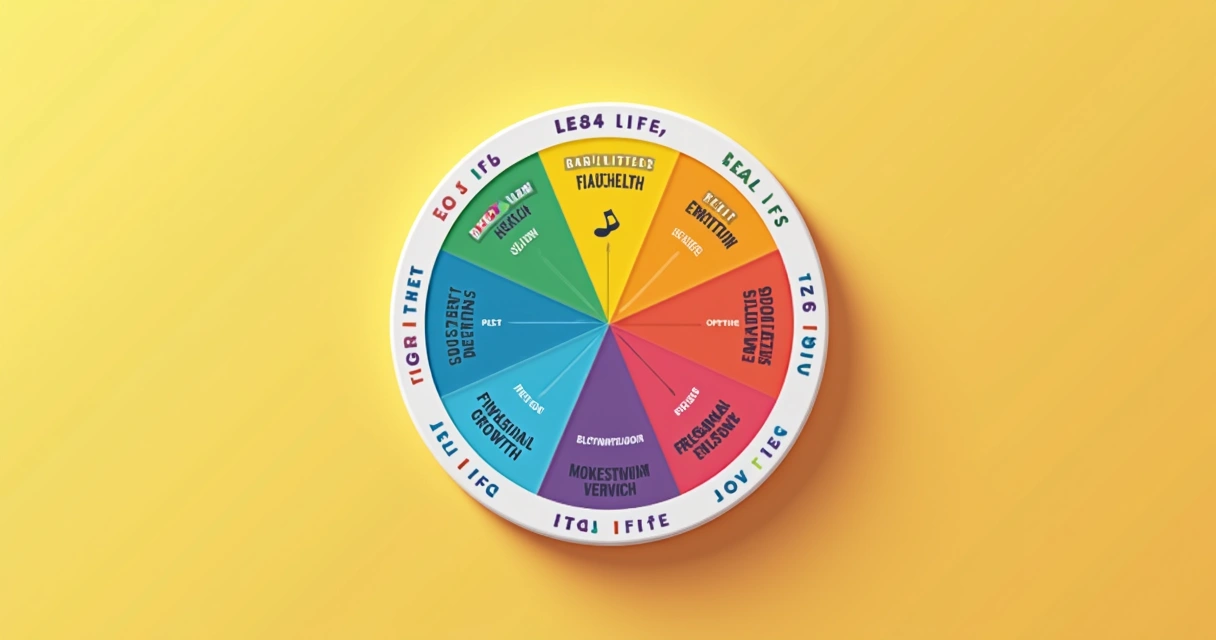
The life balance wheel is a self-reflection tool used to visually assess how satisfied you feel in different areas of life, such as health, career, finances, relationships, emotional well-being, purpose, leisure, and personal growth. The idea is simple: by scoring each area, you create a “wheel” that visually shows which parts of your life feel stronger or weaker right now.
The more balanced your wheel, the smoother your journey tends to feel.
Digital platforms like Wheel of Life have taken this classic coaching exercise to a new level, allowing for real-time tracking, personalized categories, and ongoing reflection.
Why weekly priorities help create balance
I used to plan my months or even my whole year but felt lost during the week. Weekly priorities make change achievable. They break big dreams into practical, repeatable steps. With the life balance wheel, this process becomes clearer—because you see exactly where attention is needed right now, not just someday.
Little choices, every week, shape your big picture.
These shorter cycles allow for swift adjustment. Life changes, and so can your focus. When I started matching my weekly goals with the insights from my life balance wheel, progress finally felt possible and meaningful—never abstract or overwhelming.
Steps to set your weekly priorities with the balance wheel
1. Assess your current satisfaction in each area
Start by listing the main areas of your life. You can use classic categories or customize them. I use:
- Health
- Career
- Finances
- Relationships
- Emotional well-being
- Purpose
- Leisure
- Personal growth
Score each area from 1 (not satisfied at all) to 10 (fully satisfied).
In Wheel of Life, this can be done in a few taps or with your voice, and you receive a visual chart immediately. This step is not about judging yourself, but about seeing the real shape of your life today.
2. Spot imbalances and opportunities
Look at your chart. Are there areas below 6? Is one section much higher than the others? Often, a “flat tire” in one part can affect everything else. I realized, for example, that when my relationships scored low, my work satisfaction also dropped—even when work itself was fine.
Mark one or two areas that seem most in need of attention. Resist the urge to fix everything at once. The art is in focus.
Choose fewer priorities, but do them well.
3. Translate insights into weekly actions
Now that you know which areas need nurturing, ask yourself: “What one thing could I do this week to improve my satisfaction here?” Make your targets as clear and realistic as possible. For example:
- Health: Cook three home meals instead of ordering food.
- Relationships: Call an old friend or plan a date night.
- Personal growth: Commit to reading one new chapter in a book.
Weekly actions should be specific, measurable, and within your reach.
Wheel of Life supports this process with its goal-setting and tracking features, saving your commitments and letting you adjust as your life evolves.
4. Schedule priority actions
I’ve learned: If you don’t put changes on your calendar, they usually don’t happen. After identifying key weekly priorities, I block time on my calendar for each one. Sometimes, I even set reminders in the app for added accountability.
The point is to make space for what matters, so small steps don’t get lost in the shuffle of “more urgent” tasks.
What you plan is what gets done.
5. Monitor progress and reflect
At the end of the week, return to your wheel. Rescore your chosen areas. Did things improve, even slightly? Take a moment to note what worked and what felt hard. The Wheel of Life app allows you to write or speak your thoughts, which I find makes the reflection process feel natural and easy.
It’s this habit of gentle reflection that has kept me moving forward and adjusting my priorities as I grow.
Personalizing your balance wheel experience
Every time I talk about the life balance wheel, someone asks whether it’s okay to adjust the categories. I always say yes. Life isn’t static—neither should your wheel be. When I changed careers, I added “Learning” and “Home” to my personal wheel.
The more your wheel reflects your current life and priorities, the more meaningful—and practical—your weekly goals will be.
With the Wheel of Life platform, customizing your categories is quick and gives you more ownership over your journey.

Turning priorities into habits that last
Weekly priorities will start as intentional actions, but over time, some will become habits. That’s really where the Wheel of Life shines: it isn’t a one-off tool, but a method for ongoing self-awareness and growth.
If you track your progress, reflect, and adjust each week, many small steps turn into lasting change. When I look back at my wheels from months past, the real power is visible: a life shaped by mindful choices, not by chance.
Tips for staying consistent
Even the best systems are powerless if we stop using them. I like to set a recurring time in my week for my life balance review. I pair it with something enjoyable (my favorite tea, or a walk) so it feels like self-care, not a chore.
If you want more on how to keep habits and structures working for you, I suggest reading about habit formation and well-being in the well-being and mental health topics of our blog.
Keep in mind, consistency is key. Start small, stay kind to yourself, and celebrate every bit of progress.
Finding resources and support
If you want more strategies on self-knowledge, purpose, or setting meaningful targets, you can find more resources in our self-knowledge and goals sections. If your focus is on performance and intentional action, our productivity articles can inspire new approaches.
Conclusion: a wheel that keeps rolling
Choosing what matters—week by week—allows you to build a life that feels aligned, steady, and truly yours. I have seen, both in myself and others, that using the balance wheel as a guide helps cut through confusion and turns intention into action.
If you are ready to leave autopilot behind and start building a more balanced routine, I invite you to try the Wheel of Life platform today. It’s not just an app, but a companion for self-reflection, progress, and the pursuit of a life that feels right for you.
Frequently asked questions
What is a life balance wheel?
A life balance wheel is a visual tool that helps you assess satisfaction in different areas of your life, such as health, relationships, and personal growth. By rating each area, you create a chart that shows where you feel strong and where you might want to focus for improvement.
How do I use the balance wheel?
To use the balance wheel, score each area of your life from 1 to 10, then look at the resulting shape. Notice which sections are lower or higher. Use this insight to identify one or two areas you want to improve, and set specific actions or goals for the week ahead. Platforms like Wheel of Life make this process interactive and allow you to track changes over time.
How can I set weekly priorities?
Begin with your most recent wheel assessment. Select the area with the lowest score or the one that feels most urgent to you. Set one or two small, clear actions to take during the week that address that area. Prioritize them in your schedule, and at the end of the week review how you did, then adjust for the next week.
Is the balance wheel method effective?
In my experience, the balance wheel works well for increasing self-awareness and helping you define where to spend your energy. Many people—including myself—find that visual feedback combined with ongoing reflection leads to gradual but lasting improvements in balance, motivation, and clarity of direction.
What are the main areas to focus on?
Traditional wheels focus on health, career, finances, relationships, emotional well-being, purpose, leisure, and personal growth. However, these can be customized to fit your life stage and what feels meaningful to you right now.